
Arthritis Diet: Transform Your Health with Nutritionist-Approved Tips
Discover science-backed dietary strategies to support joint health and manage arthritis naturally through informed nutrition choices
The information on this site is for educational purposes only and does not constitute medical advice. Always consult a qualified healthcare professional before making health decisions.
Understanding Arthritis and Nutrition

Joint health begins in the kitchen. The foods you consume directly influence inflammation levels in your body, affecting how your joints feel and function. A strategic nutritional approach can significantly complement your overall wellness routine.
Our nutritionist-reviewed insights focus on anti-inflammatory foods, nutrient density, and sustainable eating patterns that support long-term joint vitality. Whether you're managing existing joint concerns or seeking preventive measures, dietary choices matter.
- Anti-inflammatory foods: Fatty fish, berries, leafy greens, and nuts reduce inflammatory markers
- Nutrient absorption: Vitamin D, calcium, and omega-3s support cartilage and bone strength
- Sustainable patterns: Gradual dietary changes create lasting improvements without restriction
Key Features of an Arthritis-Supportive Diet
Anti-Inflammatory Focus
Emphasize foods rich in polyphenols, omega-3 fatty acids, and antioxidants. Fatty fish like salmon, mackerel, and sardines; colorful vegetables like broccoli and bell peppers; and herbs such as turmeric contain compounds that help manage inflammatory responses naturally.
Nutrient Density
Prioritize whole foods over processed options. Every meal should deliver vitamins, minerals, and phytochemicals that support bone density, cartilage integrity, and immune function. Whole grains, legumes, nuts, seeds, and fresh produce maximize nutritional value per calorie.
Hydration Strategy
Adequate water intake supports joint cartilage lubrication and helps flush metabolic waste. Additionally, herbal teas with ginger or green tea provide phytonutrients. Consistent hydration throughout the day is foundational to joint comfort.
Portion Control
Maintaining a balanced weight reduces stress on joints. Mindful portions of nutrient-dense foods prevent excess calorie intake while ensuring adequate nutrition. This balance supports both immediate joint comfort and long-term skeletal health.
Whole Food Emphasis
Choose minimally processed ingredients whenever possible. Whole foods contain intact phytonutrients and fiber that refined products lose. From vegetables and fruits to whole grains and legumes, whole food nutrition delivers maximum benefit.
Personalized Approach
Individual responses to foods vary. What works for one person may differ for another. Our guidance encourages tracking how specific foods affect your joint comfort, allowing you to build a customized nutrition plan aligned with your unique body.
Five Essential Foods to Add to Your Diet

Fatty Fish
Salmon, mackerel, sardines, and herring contain EPA and DHA omega-3 fatty acids. These compounds actively reduce inflammatory proteins in the body. Aim for 2-3 servings weekly for optimal anti-inflammatory benefits.

Berries
Blueberries, strawberries, raspberries, and blackberries deliver anthocyanins and quercetin—powerful antioxidants that combat oxidative stress. Fresh or frozen berries work equally well in smoothies, oatmeal, or as standalone snacks.

Leafy Greens
Spinach, kale, collards, and Swiss chard provide vitamin K, calcium, and magnesium—essential for bone integrity. Their antioxidant compounds also lower inflammatory markers. Include a serving of raw or lightly cooked greens daily.

Nuts and Seeds
Almonds, walnuts, flaxseeds, and chia seeds offer plant-based omega-3s, vitamin E, and selenium. These nutrients protect joint cells from oxidative damage. A small handful (1 ounce) as a snack or sprinkled on meals provides concentrated benefits.
Cruciferous Vegetables
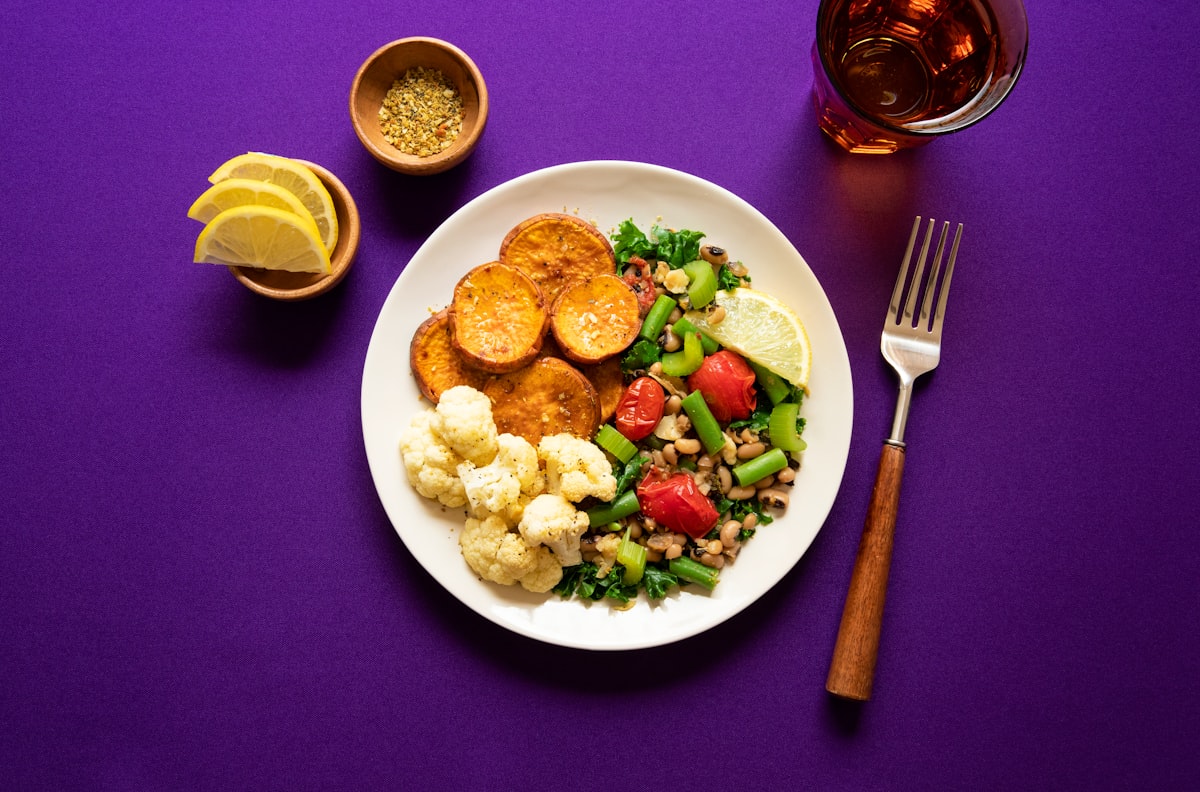
Broccoli, Brussels sprouts, and cabbage contain sulforaphane, a compound with potent anti-inflammatory properties. Research shows regular consumption may slow cartilage damage. Steam lightly to preserve nutrient content while improving digestibility.
Turmeric
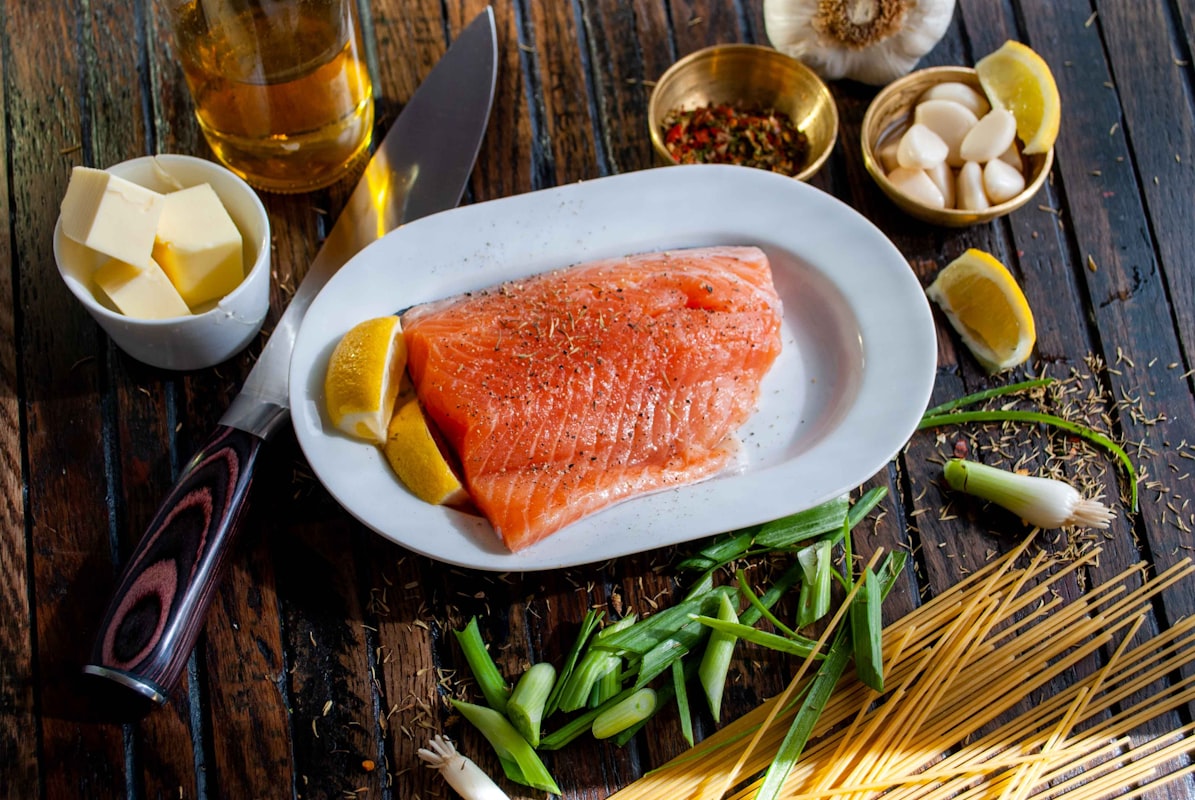
Curcumin, the active compound in turmeric, rivals certain dietary approaches for its anti-inflammatory action. Black pepper enhances absorption significantly. Add to curries, rice dishes, soups, or warm milk for daily integration into your routine.
Foods to Limit or Avoid
Pro-Inflammatory Foods
-
Refined carbohydrates:
White bread, pastries, and sugary cereals trigger inflammatory responses and blood sugar spikes.
-
Ultra-processed foods:
Products with added sugars, trans fats, and artificial additives actively promote systemic inflammation.
-
Vegetable oils:
Oils high in omega-6 (soybean, corn, sunflower) can promote inflammatory pathways when overconsumed.
-
Excess sugar:
Added sugars accelerate inflammatory processes and may worsen joint discomfort over time.
Individual Trigger Foods
-
Nightshade vegetables:
Tomatoes, peppers, eggplants, and potatoes may trigger sensitivity in some individuals—track your response.
-
Processed meats:
High in inflammatory compounds, processed meats may increase markers associated with joint concerns.
-
Excess alcohol:
Alcohol can interfere with nutrient absorption and promote inflammatory responses in some people.
-
Personal sensitivities:
Wheat, dairy, and other foods may affect individuals differently—keep a food journal to identify patterns.
Your Nutrition Action Plan
Assess Current Diet
Track what you eat for 3-7 days. Note energy levels, joint comfort, and digestive response. This baseline helps identify which foods support or challenge your body.
Add Anti-Inflammatory Foods
Gradually introduce fatty fish, berries, leafy greens, nuts, and turmeric. Add rather than restrict—this positive approach is more sustainable and maintains nutritional variety.
Reduce Inflammatory Items
Gently decrease processed foods, refined sugars, and trigger foods over 2-4 weeks. Slow reduction prevents cravings and allows your palate to adjust to whole food flavors.
Monitor and Adjust
After 6-8 weeks, assess changes in joint comfort, energy, and overall well-being. Adjust portions and foods based on your response, creating a personalized long-term pattern.
Common Questions About Arthritis Nutrition
How quickly will dietary changes affect joint comfort?
Individual responses vary significantly. Some people notice subtle improvements in energy or stiffness within 2-3 weeks, while more substantial changes typically emerge after 6-12 weeks of consistent dietary choices. Patience and consistency matter more than expecting immediate results.
Can I reverse joint concerns through diet alone?
Nutrition is a powerful lever but typically works best as part of a comprehensive approach including movement, stress management, and adequate sleep. Diet addresses underlying inflammatory processes and provides essential nutrients for tissue repair, but realistic expectations are important.
What if certain recommended foods trigger my symptoms?
Food sensitivities are real and individual. If nightshade vegetables or other anti-inflammatory foods worsen your symptoms, exclude them without guilt. Focus on the broad anti-inflammatory principles—many other foods deliver similar benefits.
Do I need supplements alongside dietary changes?
Whole foods should be your primary source of nutrients. Supplements may be helpful for specific gaps (vitamin D in winter, omega-3 if allergic to fish), but they cannot replace eating well. Prioritize food first, supplement strategically second.
Is there a specific "arthritis diet" I should follow?
No single diet works universally. Mediterranean, DASH, and plant-forward approaches all support anti-inflammatory principles. The best diet is one you can sustain long-term while enjoying your meals. Personalization beats rigid protocols.
How should I balance nutrition with other wellness practices?
Diet works synergistically with regular movement, adequate sleep, stress reduction, and hydration. These factors influence inflammation and joint health together. Addressing nutrition while neglecting sleep or movement limits your results—integrate multiple supportive practices.
Building Your Personalized Plan
Every body responds uniquely to dietary changes. Our comprehensive guides help you create a nutrition plan aligned with your individual needs, preferences, and goals. Start with our detailed resources today.
- Detailed food lists and meal ideas
- Tracking templates for food responses
- Shopping guides and ingredient swaps
- Evidence-based nutritional science

What Our Readers Tell Us
"The dietary guidance was straightforward and practical. I started with just adding more fatty fish and berries to my routine, and within 6 weeks noticed less morning stiffness. The best part is that these changes feel sustainable—I'm not restricting anything, just choosing better quality foods."
Anna Moravčíková
Brno
"As someone who avoids processed foods anyway, I learned which specific nutrients matter most for joint health. The section on individual food sensitivities helped me identify that nightshades actually do affect my symptoms. Finally, science-based guidance that respects individual differences."
Pavel Čech
Prague
"I appreciate how this doesn't promise miracles. It's honest about needing 6-8 weeks to see real changes and emphasizes that nutrition works alongside other practices "
- Rachel M., Age 52
Ready to Take Control of Your Joint Health?
Join thousands who've discovered lasting relief through evidence-based nutrition and lifestyle strategies.
No credit card required. Evidence-based strategies delivered instantly.